





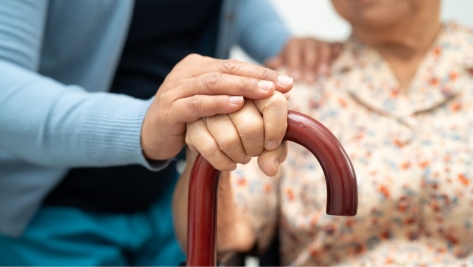



















I was pleased to conclude a case recently for my client, aged 66, who was involved in a catastrophic road traffic accident on 13 May 2024.
Circumstances of the Accident
On the day of the accident, my client was attending a health club when she was struck by a reversing lorry. The vehicle ran over her before reversing back over her a second time and coming to a stop.
As a result of the collision, my client sustained life-threatening injuries including a severe spinal fracture, multiple rib fractures, respiratory injuries, fractures to her femur, clavicle and scapula, together with significant soft tissue injuries and complications including acute kidney injury and sepsis.
Life Changing Injuries
My client was taken to King’s College Hospital where she underwent extensive emergency treatment. She required intubation and ventilation during a prolonged stay in intensive care due to respiratory failure. She underwent surgical fixation of her femur, conservative treatment for her spinal injuries, and management of serious complications including pneumonia and kidney failure.
My client was transferred to other hospitals locally for ongoing treatment before commencing a lengthy period of inpatient rehabilitation at a specialist unit. The accident had a profound impact on her life, leaving her with significant physical limitations, reduced mobility and a substantial loss of independence.
The Rehabilitation Code
The Rehabilitation Code (the Code), is a voluntary framework used in personal injury claims. It encourages the parties to work together outside the litigation claim to identify and assist an injured person’s needs as early as possible following an accident.
The Code promotes that an injured person’s recovery should advanced notwithstanding dispute between the parties as may arise during proceedings. It encourages the early assessment of treatment, care and support requirements, allowing appropriate assistance to be put in place while the litigation continues.
In my client’s case, the Code facilitated an early assessment by a case manager who identified the support that my client required. My client then received funding, under the Code, for continuing case management to support her ongoing and for a placement at a private hospital where she stayed to rehabilitate over an extended period. I also secured interim payments to help fund other treatment and essential adaptations to her home environment before she returned home, including bathroom adaptation and wheelchair storage. This support played an important role in enabling my client’s safe return home and maximising her independence.
Progress and Conclusion through Settlement
A significant part of the claim concerned my client’s future care and accommodation needs. In addition to accommodation evidence, expert evidence was obtained in a range of other disciplines, including rehabilitation medicine, orthopaedic surgery, psychiatry and care/occupational therapy to assess condition and prognosis and for opinion on the long-term impact that my client’s injuries would likely have on her.
While my client continued to experience ongoing limitations and would likely not fully recover, sadly, she made some meaningful progress and achieved an increased level of independence on account of the financial support and treatment that she received.
Following a joint settlement meeting attended by Leading Counsel, it was agreed that my client would receive a substantial further award in damages to assist in meeting her lifelong needs. I was pleased to assist my client at a most difficult time of her life. The support she received during the claim went a long way towards providing the treatment and progress that she achieved while also adjusting to life following her injuries.
Please note
The information on the Anthony Gold website is for general information only and reflects the position at the date of publication. It does not constitute legal advice and should not be treated as such. It is provided without any representations or warranties, expressed or implied.

Related Insights

- November 4, 2024
An Overview of Personal Injury Claims for Psychiatric Injury
- January 17, 2018
Claims for psychiatric injury alone
Our Latest Injury & Medical Claims Insights

- June 24, 2026
Mitigating losses when making a personal injury claim
- May 28, 2026
Addressing functional neurological disorder in personal injury claims
- April 29, 2026
The new UK clinical trials regulations: Where does the new law leave injured trial participants?
- April 24, 2026
Proving psychiatric injury in personal injury claims: What evidence do you need?
- March 10, 2026
Anthony Gold Solicitors welcome Tom Jervis as new partner in the injury medical claims team
- March 6, 2026
Will I be compensated for my “lost years”? Supreme Court clarifies damages for young children
Latest Articles
View all
Insights: June 24, 2026
Guides: June 19, 2026








Online Payments

© Anthony Gold Solicitors LLP. All rights reserved. Anthony Gold Solicitors LLP is a limited liability partnership registered in England and Wales with registered number OC433560 and is authorised and regulated by the by the Solicitors Regulation Authority with registration Number 810601


