



















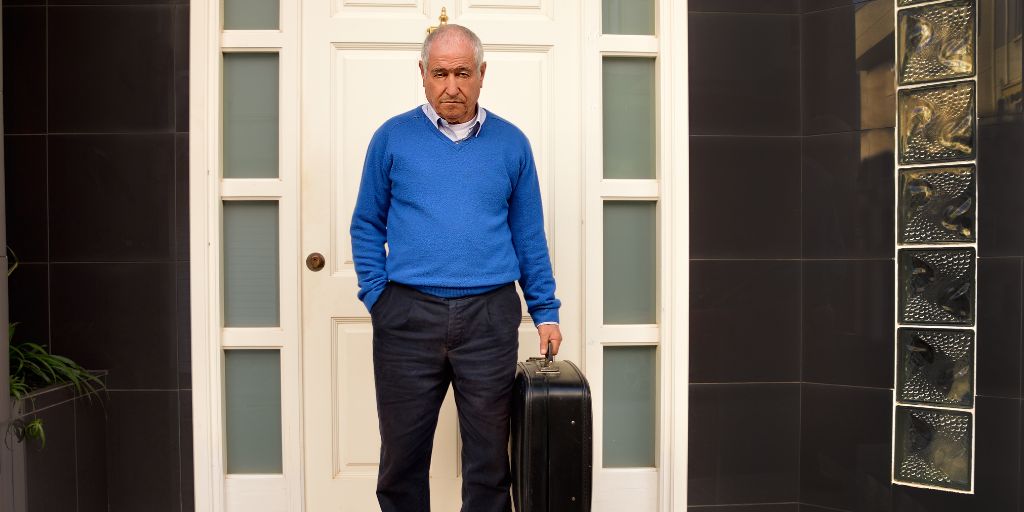




If an executor/administrator is refusing to pay you your inheritance, you may have grounds to have them removed or replaced.
However, there may very well be legitimate reasons for the delay. Particularly, during the ongoing Covid-19 crisis. If this is the case, any Court application to have them removed/replaced is very unlikely to succeed and you may then be ordered to pay all the legal costs. It is therefore always best to proceed with caution, to seek advice and to gather as much information as possible before taking any action.
An executor is appointed by the will of an individual who has passed away (the deceased). An administrator is appointed where the deceased has failed to leave a valid will. Collectively, they are known as “Personal Representatives”.
The primary role of a Personal Representative is to collect the assets of the deceased, pay off their liabilities and properly distribute the estate according to the terms of the will or rules of intestacy (if there is no valid will). Once all the assets are collected and the final figures in the estate accounts are agreed upon, payment should then be made as quickly as reasonably possible.
However, this process can take time and there are often legitimate reasons for the delay. For example, if the primary asset in the estate is a property it can often take a number of months (at the best of times) for a sale to take place. Until that time, there might be no money at all in the estate to pay out. During the ongoing pandemic, nearly all property sales are paused meaning that delay in these circumstances is unavoidable. Other examples of legitimate delays might be when confirmation of the tax position is being sought from HMRC or some of the other beneficiaries disagree with certain figures in the estate accounts.
If there is a delay in your case, you should therefore always ask the Personal Representative(s) for the reason in the first instance.
If they refuse to tell you or have no valid reason for the delay, you may have grounds to have them replaced or removed from their role. The replacement (or remaining) Personal Representative(s) can then take the necessary steps to finalise the administration. Such an application would need to be made to the Court under Section 50 of the Administration of Justice Act 1985. The key consideration of the Court in such cases is whether the Personal Representative(s) in question can properly administer the estate.
We would recommend that you seek legal advice before commencing any Court proceedings to remove or replace a Personal Representative. It is always desirable to try and resolve disputes at an early stage to save stress, time and legal costs.
If you want advice on removing a Personal Representative, please do not hesitate to contact a member of our contentious probate team.
*Disclaimer: The information on the Anthony Gold website is for general information only and reflects the position at the date of publication. It does not constitute legal advice and should not be treated as such. It is provided without any representations or warranties, express or implied.*
Please note
The information on the Anthony Gold website is for general information only and reflects the position at the date of publication. It does not constitute legal advice and should not be treated as such. It is provided without any representations or warranties, expressed or implied.

Related Insights

Our Latest Wills, Trusts & Estates Insights

- June 2, 2026
Against Your Will
- June 1, 2026
Watch out – HMRC is about!
- May 28, 2026
Avoiding Exploitation: Protecting Yourself and your Wishes
- April 24, 2026
Inheritance tax receipts continue to rise in latest HMRC figures
- April 22, 2026
The changing Inheritance Tax treatment of pensions in the UK
- March 20, 2026
Sean Hughes’ £4m estate dispute: What his homemade Will teaches about estate planning
Latest Articles
View all
Guides: June 2, 2026
Insights: June 2, 2026
Insights: June 1, 2026







Online Payments

© Anthony Gold Solicitors LLP. All rights reserved. Anthony Gold Solicitors LLP is a limited liability partnership registered in England and Wales with registered number OC433560 and is authorised and regulated by the by the Solicitors Regulation Authority with registration Number 810601


