



















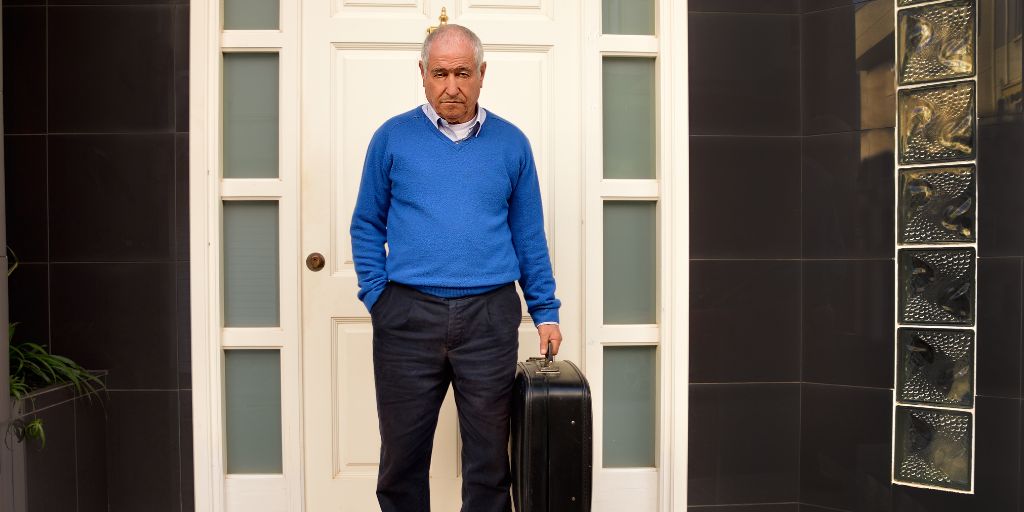




Against the backdrop of the highly publicised Ilott v Mitson [2015] EWCA Civ 797, comes the case of Chekov v Fryer [2015] EWHC 1642 (Ch). The case adds a new dimension to the Court’s wide discretionary power under the Inheritance (Provision for Family and Dependants) Act 1975. Like Ilott v Mitson this case involved co-habitees. Here, the Court was concerned with the specific definition of co-habitee within the Act and had to decide whether Miss Chekov fell into that category in order to be eligible make a claim.
Mr Fryer and Miss Chekov married in the late seventies, and divorced in the early eighties. The divorce order indicated that ‘Neither party shall be entitled to claim against the estate of the other under the Inheritance Act 1975 unless the parties shall remarry.’ Upon death, Mr Fryer left his entire estate to his sons from a previous marriage under the terms of his Will.
However, after divorce Mr Fryer and Miss Chekov continued to live together in the same property until Mr Fryer’s death. Miss Chekov argued the original divorce order only prevented her bringing a claim as a former spouse but not as a cohabitee. It was accepted by Mr Fryer’s sons that Mr Fryer and Miss Chekov resided together, but not as cohabitees within the meaning of the Act i.e. not as man and wife in the 2 year period immediately before their father’s death. The sons claimed that Miss Chekov should be debarred from bringing the claim because she was not eligible.
Historically the Courts have applied a very broach brush interpretation to the meaning of ‘man and wife’ within the Act. Judges are typically loathe to set a relationship-norm. What is surprising about this case though is that the parties expressly intended to exclude the other from their estates when they divorced.
Nevertheless the Judge allowed Miss Chekov’s claim. It was held that it would be illogical for her to fall outside of the 1975 Act as a result of her divorce where she had continued to cohabit with him. Her cohabitation with Mr Fryer following divorce, but failure to remarry, enabled her to make a successful claim under the 1975 Act.
Cases under the Inheritance Act are highly dependent on facts thus it is not correct to say that all divorcees can make a claim under the Act.
This case is important in the context of modern life. The reality for many divorcing couples is that they might find themselves living with one another after divorce where there are insufficient financial resources to house both spouses individually. It is interesting to see the Court applying its discretionary power to allow a claim of this nature. Family practitioners should be attuned to this decision as it could open to door to divorcees making a claim despite the terms of their financial order.
* Disclaimer: The information on the Anthony Gold website is for general information only and reflects the position at the date of publication. It does not constitute legal advice and should not be treated as such. It is provided without any representations or warranties, express or implied.*
Please note
The information on the Anthony Gold website is for general information only and reflects the position at the date of publication. It does not constitute legal advice and should not be treated as such. It is provided without any representations or warranties, expressed or implied.
Our Latest Family & Relationships Insights

- June 3, 2026
Capacity to Divorce: SL v SM [2026] EWFC 109
- June 1, 2026
Preparing for a fact-finding hearing: Guide for survivors of domestic abuse
- May 20, 2026
Mediation, hybrid mediation and the use of neutral professionals in family dispute resolution
- May 20, 2026
Mediating with solicitors present – A practical guide to hybrid mediations
- May 20, 2026
The role of lawyers in hybrid mediation: From gatekeepers to problem solvers
- April 29, 2026
Freezing orders in divorce: Stopping a spouse from dissipating assets
Latest Articles
View all
Guides: June 11, 2026
Insights: June 10, 2026
Insights: June 10, 2026







Online Payments

© Anthony Gold Solicitors LLP. All rights reserved. Anthony Gold Solicitors LLP is a limited liability partnership registered in England and Wales with registered number OC433560 and is authorised and regulated by the by the Solicitors Regulation Authority with registration Number 810601


