



















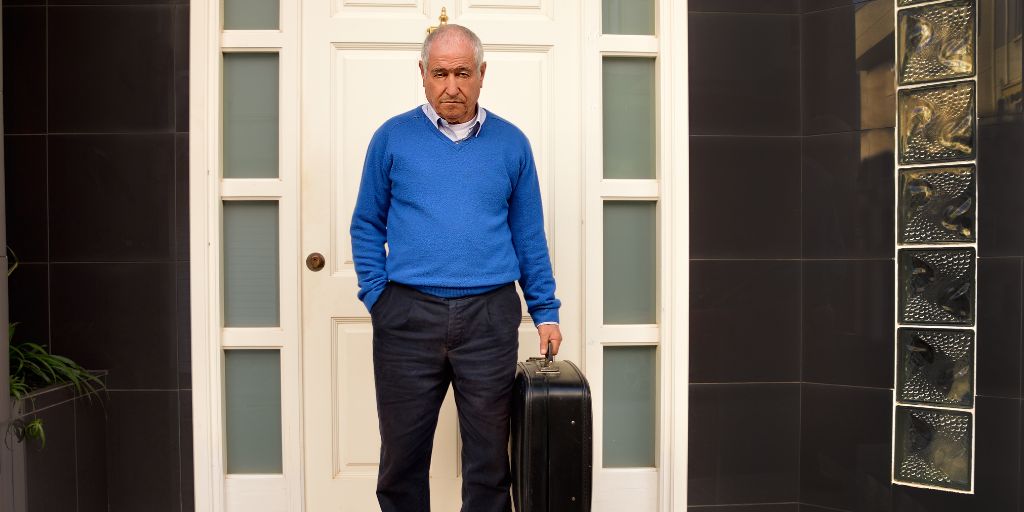





A mental capacity assessment is a very personal experience, and will often deal with confidential or sensitive information and decisions. However, due to this, people often want family members, friends or carers to support them through the process. Equally, family members often ask if they can attend an assessment, to provide emotional support, as well helping with any issues around communication. This can raise questions about whether the person being assessed feels pressured by the family member, carer or friend in attendance, and also issues about confidentiality.
For this reason, most capacity assessors tend to prefer to see the individual alone. This is particularly the case where the assessment is in respect of making a Will, gift or Lasting Power of Attorney, and the person being proposed to be in attendance is either a beneficiary or in some way related to a beneficiary. In situations like that then the capacity assessor is likely to take a firm approach to the person being on their own when they are assessed, or if the person being assessed has a very strong preference or requirement that someone attends with them, that the person attending is entirely independent of the outcome.
However, often there can be very good reasons, such as support using medical or communication equipment, or to assist with mood disorders, that a person needs to have a third party present. In those situations, it is important that the third party doesn’t answer for the person being assessed, as communicating a decision is a key element of having mental capacity to make a decision. Equally, there are other times where the person being assessed may request that a third party attends to help with the introductions and making them comfortable, and once that initial stage of the process is completed, that they are asked to leave.
What is always the case is that any capacity assessment should be entirely clear about who is in the room during the assessment, where they are sitting, what they say, if they are in the eyeline of the person being assessed, and whether the assessor has any concerns about their attendance in terms of coercion or undue influence. The report should also detail who has been in the room during the introduction period, who is in rooms nearby during the assessment, and whether the assessor has any concerns about this in terms of coercion or undue influence.
To gain access to the entire interview, please fill out the following form.
How to Instruct Mental Capacity Assessors? | Interview with Tim Farmer
Please note
The information on the Anthony Gold website is for general information only and reflects the position at the date of publication. It does not constitute legal advice and should not be treated as such. It is provided without any representations or warranties, expressed or implied.

Related Insights

- August 21, 2025
What does mental capacity mean and how is it assessed?
Our Latest Court of Protection Insights

- June 9, 2026
How does coercive control and mental capacity overlap?
- June 4, 2026
Supreme Court overhauls Deprivation of Liberty Test in landmark judgment
- June 2, 2026
What is the test for capacity to engage in sexual relations?
- June 1, 2026
Mental capacity explained: assessments, Court of Protection disputes and legal decision-making
- May 27, 2026
Where is the legal line between vulnerability and incapacity in sexual decision-making?
- May 6, 2026
What is the test for capacity to have contact with others?
Latest Articles
View all
Guides: June 11, 2026
Insights: June 10, 2026
Insights: June 10, 2026







Online Payments

© Anthony Gold Solicitors LLP. All rights reserved. Anthony Gold Solicitors LLP is a limited liability partnership registered in England and Wales with registered number OC433560 and is authorised and regulated by the by the Solicitors Regulation Authority with registration Number 810601


